Moisture Mapping and Assessment
We walk the affected area with a moisture meter, hygrometer, and thermal imaging camera to map how far the water traveled. This baseline tells us what to dry and gives us a reference for the final readings.
Structural drying and dehumidification in WA, Washington is how we stop a leak, flood, or burst pipe from turning into a mold problem. Our IICRC-certified crews dry drywall, subfloor, and framing with commercial dehumidifiers and air movers, not box fans. We serve homeowners, landlords, and property managers across Fife, Puyallup, Tacoma, and Federal Way, and we answer the phone 24/7.
Structural drying and dehumidification in WA, Washington is the controlled removal of moisture from building materials after water intrusion, using measured airflow, dehumidification, and daily moisture readings until the structure hits dry standard. It is not the same as mopping up standing water. Water wicks into drywall, insulation, subfloor, and baseboard, and it keeps spreading until you dry it. We set up air movers and commercial dehumidifiers, track moisture with a moisture meter and thermal imaging camera, and keep equipment running until readings match a dry reference point.
Most calls we get in this region start with a burst pipe, supply line leak, water heater leak, or toilet overflow, and many of them happen during the wet fall and winter months when the ground is already saturated. A homeowner in Fife Heights or South Hill calls because the carpet feels dry but the baseboard is soft. That is where professional structural drying WA separates from a fan and a shop vac. We find the moisture you cannot see, dry it to a documented standard, and hand you readings you can show your insurance adjuster.
Every drying job includes the assessment, extraction, equipment, daily monitoring, and final documentation. Repairs like drywall replacement or flooring install are a separate phase, and we tell you upfront what the drying covers so there are no surprises on the invoice.
We walk the affected area with a moisture meter, hygrometer, and thermal imaging camera to map how far the water traveled. This baseline tells us what to dry and gives us a reference for the final readings.
Standing water and saturated carpet come out with a water extraction unit. We pull water from carpet, pad, and hard surfaces before setting drying equipment, which shortens the drying timeline.
We place commercial air movers and Dri-Eaz or Phoenix Restoration dehumidifiers based on the size and layout of the space. Equipment stays until readings hit dry standard, and we check it daily.
Each day we read moisture content, adjust equipment placement, and log progress. You get a plain-language update and a record of the readings that your insurance adjuster can use.
At the end you get a documented report with daily readings, photos, and equipment logs. It shows what was wet, what we did, and that the structure reached dry standard before equipment came out.
We answer 24/7 and ask what happened, when it started, and whether the water is still running. A crew is dispatched with extraction and drying equipment. On arrival we shut off the source if it is still active, then walk the affected area with a moisture meter and thermal imaging camera to map how far the water traveled.
Standing water comes out first with a water extraction unit, including carpet, pad, and any pooled water in a crawl space or basement. Extraction usually takes one to three hours on a typical residential job. Getting the bulk water out fast is what makes the drying phase shorter and cheaper.
We place air movers and Dri-Eaz or Phoenix Restoration dehumidifiers based on the size and layout of the wet area, not a one-size formula. A hygrometer and moisture meter give us baseline readings. In a crawl space we may add a vapor barrier check and a floor drying system for hardwood. Setup takes about an hour.
We return each day to read moisture content, check equipment, and adjust placement. Drying typically runs three to five days for a standard room and longer for a flooded basement or a home with dense materials. You get a plain-language update on progress and what we expect next.
We do not pull equipment until readings match dry standard for the material. At the end you get a documented drying report with daily readings and photos, which is what your insurance adjuster and any future buyer will want to see. If repairs like drywall or baseboard replacement are needed, we walk you through the next step.
We answer 24/7 and ask what happened, when it started, and whether the water is still running. A crew is dispatched with extraction and drying equipment. On arrival we shut off the source if it is still active, then walk the affected area with a moisture meter and thermal imaging camera to map how far the water traveled.
Finds temperature differences that reveal hidden moisture behind drywall and under floors, so we dry the whole affected area, not just the visible spot.
Measures moisture content in materials and relative humidity in the air. We use readings to set the drying plan and to confirm when the structure hits dry standard.
Commercial refrigerant and desiccant dehumidifiers pull moisture out of the air so wet materials can release it. Sized to the space, they are the core of structural drying.
High-velocity fans move air across wet surfaces to speed evaporation. Placement matters more than quantity, so we position them to sweep the whole wet area.
Pulls moisture through hardwood and subfloor without tearing out the floor. We monitor cupping and moisture content daily to decide if the floor can be saved.
Filters airborne dust and mold spores during drying so they do not spread through the rest of the house. Used with containment when mold is a concern.
A supply line under the sink let go and soaked the cabinet base, drywall, and subfloor. The homeowner noticed a soft spot in the floor two days later. Moisture readings in the subfloor were well above dry standard.
After: We extracted the water, set air movers and a dehumidifier, and dried the cabinet, drywall, and subfloor over five days. Final readings matched dry standard, and the cabinet base was saved. The homeowner replaced only the damaged baseboard.
Book this service →
A failed water heater left standing water in the closet and soaked the carpet in the hallway. The drywall behind the unit was wet above the visible waterline, and the subfloor was saturated.
After: We extracted the water, removed the wet carpet pad, and dried the drywall and subfloor with air movers and a dehumidifier. Four days later readings were dry, and the new water heater went onto a dry subfloor.
Book this service →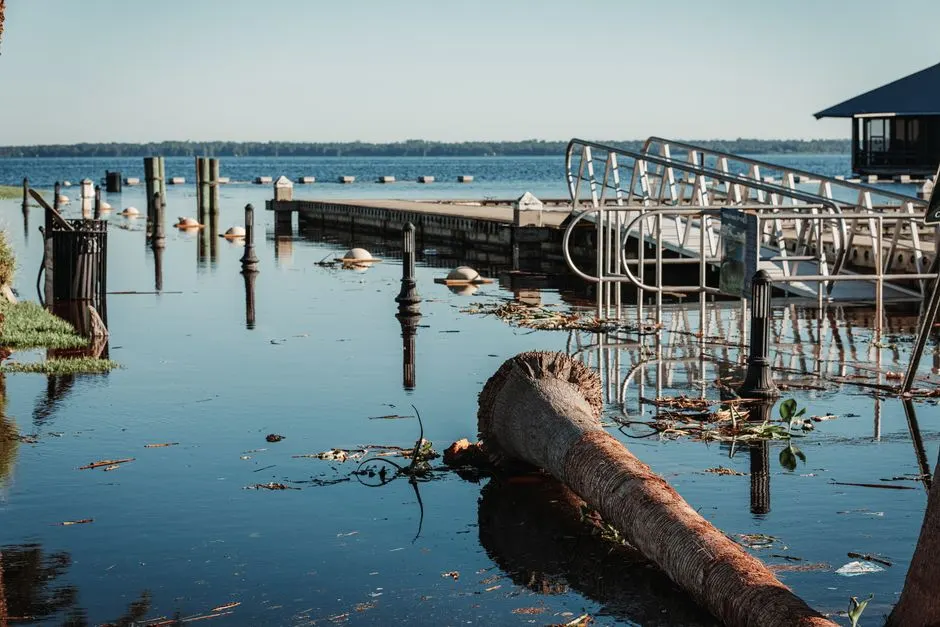
Weeks of fall rain left standing water in a crawl space, and the musty smell had reached the living room. The joists and subfloor were damp, and the vapor barrier was torn in two places.
After: We pumped out the water, dried the joists and subfloor, and replaced the torn vapor barrier. Moisture readings came down over six days, and the musty smell cleared once the space was dry.
Book this service →Water damage rarely stays where it starts. These are the problems we see most often when a leak or overflow is left too long, and how drying the structure stops them.
Ask a pro →We map moisture with a moisture meter and thermal imaging camera, then dry the wall cavity with air movers and dehumidifiers. If the drywall is too far gone, we remove and replace it after the structure is dry.
We use a floor drying system and drying mat to pull moisture through the boards and monitor cupping daily. Many floors can be saved if drying starts within the first few days.
We remove standing water, dry the joists and subfloor, and check the vapor barrier. If the source is groundwater, we recommend a sump pump or french drain so the space stays dry.
We dry the structure first, then use air scrubbers and, when needed, an ozone generator to clear the odor. Once the moisture is gone, the smell does not return.
Most residential jobs take three to five days, and a standard room with carpet and drywall often dries in three. A flooded basement, crawl space water, or a home with hardwood and dense materials can run five to seven days. We check moisture daily and do not pull equipment until readings hit dry standard, so the timeline is based on the structure, not a fixed schedule.
Typical 2026 pricing for residential structural drying runs about $1,200 to $3,500 for a single affected room, and larger or multi-room jobs run higher. Cost depends on square footage, how many days drying takes, equipment needed, and whether water reached a crawl space or subfloor. We give you an upfront price before equipment goes down, and most of it is often covered by insurance.
Yes, most homeowner policies cover structural drying when the water came from a sudden event like a burst pipe, supply line leak, or water heater leak. We document moisture readings, equipment, and daily progress in Xactimate-ready format so your adjuster can process the drying portion of the claim. We work directly with carriers and can talk to your adjuster about the scope.
Water Restoration Pros provides structural drying and dehumidification across Fife, Puyallup, Tacoma, Federal Way, Auburn, and surrounding neighborhoods. Our crews are IICRC WRT and ASD certified, licensed under Washington State Contractor License, and available 24/7 for emergency calls. We handle residential and commercial structural drying WA jobs, from a single overflowed bathroom to a flooded commercial space.
If water got into your walls, floor, or crawl space, the clock is running. Call Water Restoration Pros and we will send a crew with extraction and drying equipment, document the moisture, and dry the structure to standard. Licensed, insured, and answering 24/7.
Call Now 1234567890 →Call us any hour, any day. A live person answers and dispatches a crew, and most Fife, Puyallup, and Tacoma addresses see us within 60 minutes. If you prefer email, send the details and we will call you back fast. We inspect first and give you a written estimate before work starts.