Full Moisture Assessment
We map the water with a moisture meter, hygrometer, and thermal imaging camera, photograph the damage, and identify the source. You get a written scope and price before equipment is staged.
When water pools under your floor, crawl space water removal in WA, Washington stops rot, mold, and sagging floors before they spread. We pump out standing water, extract saturated soil and insulation, and run crawl space drying services WA homeowners call for after burst pipes, storm runoff, and supply line leaks. Our technicians work in tight access, low-clearance spaces every week. Call and we will tell you what it takes to dry yours.
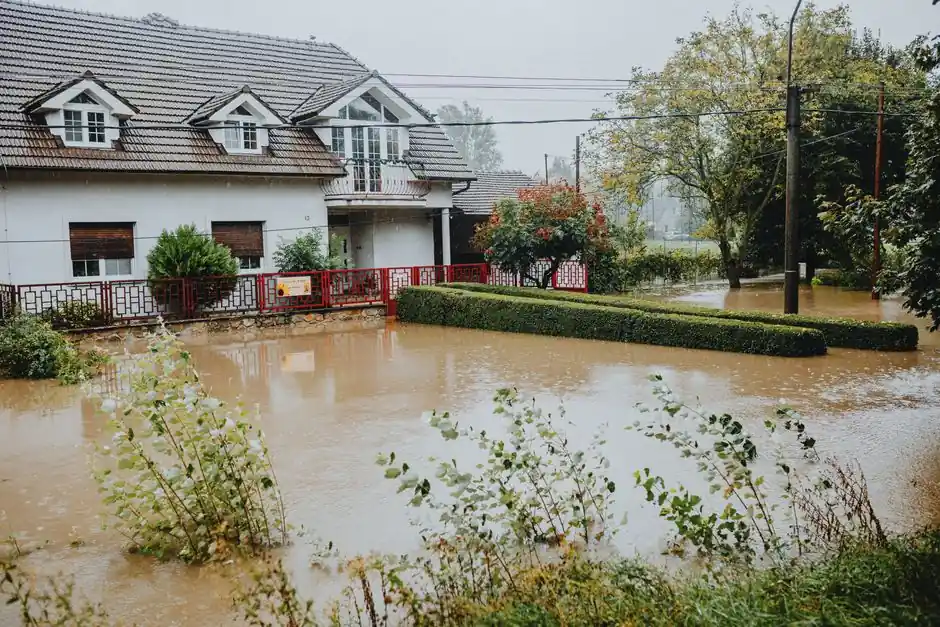
Crawl space water removal in WA, Washington is the process of extracting standing water, saturated soil, and soaked insulation from the space beneath your floor, then drying the framing and subfloor to a verified moisture level. We start with a moisture meter and thermal imaging camera to map how far the water traveled. Then we pull it out with a water extraction unit, remove ruined vapor barrier and insulation, and set drying equipment sized to the cubic footage. The job ends when readings match dry-standard, not when the puddle is gone.
Most calls we run in Washington come from a burst pipe, a water heater leak, or storm water sheeting against the foundation. Crawl space flooding cleanup WA Washington jobs spike from November through March, when the ground stays saturated and any foundation crack leak has nowhere to drain. If you are searching crawl space water removal near me WA and the water is still rising, shut off the supply line first, then call. We talk you through that step before the truck rolls.
Every job starts with a full assessment and ends with verified dry readings. Here is what is part of the standard scope, so you know what you are paying for before we start.
We map the water with a moisture meter, hygrometer, and thermal imaging camera, photograph the damage, and identify the source. You get a written scope and price before equipment is staged.
Truck-mount and portable water extraction units pull standing water and saturated soil from the space. We bag and remove ruined vapor barrier and insulation the same visit.
Air movers, dehumidifiers, and a floor drying system are sized to the cubic footage of your crawl space. We monitor daily and adjust until readings hold at dry-standard.
Where conditions warrant, we apply an antimicrobial to framing and use air scrubbers to filter the air. If growth is already present, our IICRC AMRT technicians treat it under containment.
Torn or waterlogged vapor barrier gets replaced with new material, sealed at the seams and walls, so ground moisture stays out of the space going forward.
We take final moisture readings, photograph the dry space, and leave you a written summary. That documentation supports an insurance claim and gives you a baseline for future checks.
We answer 24/7 and ask what leaked and when. On arrival, a technician in PPE crawls the space with a moisture meter, hygrometer, and inspection camera, photographs the damage, and finds the source. Most assessments take 30 to 60 minutes, and you get a written scope with pricing before any equipment comes off the truck.
We pump standing water with a water extraction unit, then vacuum saturated soil and insulation. A wet/dry vac cannot reach what a truck-mount can. Extraction on a typical 1,000-square-foot crawl space runs two to four hours, and we bag and haul out ruined vapor barrier and insulation the same day.
We set Dri-Eaz and Phoenix Restoration air movers and dehumidifiers sized to the space, plus a drying mat or floor drying system for the subfloor. Technicians check readings daily with a moisture meter and thermal imaging camera. Most crawl spaces reach dry-standard in three to five days, and we do not pull equipment until the numbers hold.
Once dry, we replace the vapor barrier, reinstall insulation, and handle crawl space water damage repair such as sistered joists or replaced subfloor sections. If mold is present, our IICRC AMRT technicians treat it before the space is closed up. This stage usually takes one to two days depending on how much framing was affected.
We take final moisture readings, show you the numbers, and walk you through what caused the water. If the source was drainage, we quote a sump pump or french drain so it does not happen again. You get photos of the dry space and a written summary for your records or insurance claim.
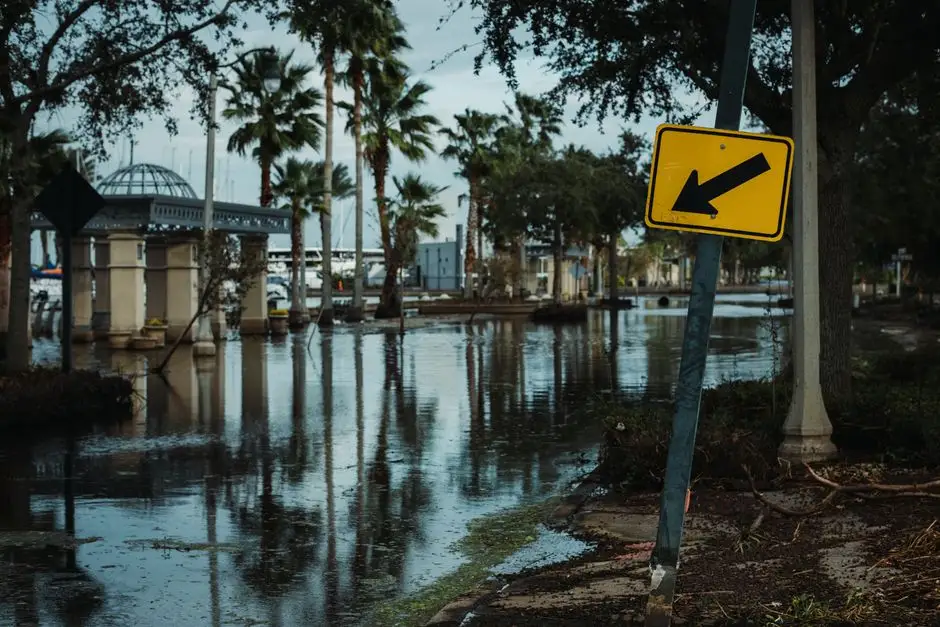
We answer 24/7 and ask what leaked and when. On arrival, a technician in PPE crawls the space with a moisture meter, hygrometer, and inspection camera, photographs the damage, and finds the source. Most assessments take 30 to 60 minutes, and you get a written scope with pricing before any equipment comes off the truck.
Used to measure wood moisture content and relative humidity in the space, so we know when the framing is actually dry rather than just dry to the touch.
Reveals hidden moisture behind insulation and along joists, and helps trace where water traveled from the source.
Truck-mount and portable units that pull standing water and saturated soil out of the space far faster than a shop vac.
High-velocity air movers that evaporate moisture from framing and subfloor so dehumidifiers can remove it from the air.
Pulls moisture out of the crawl space air, sized to the cubic footage so the space actually reaches dry-standard.
Filters airborne mold spores and dust during drying and any mold treatment, protecting the living space above.
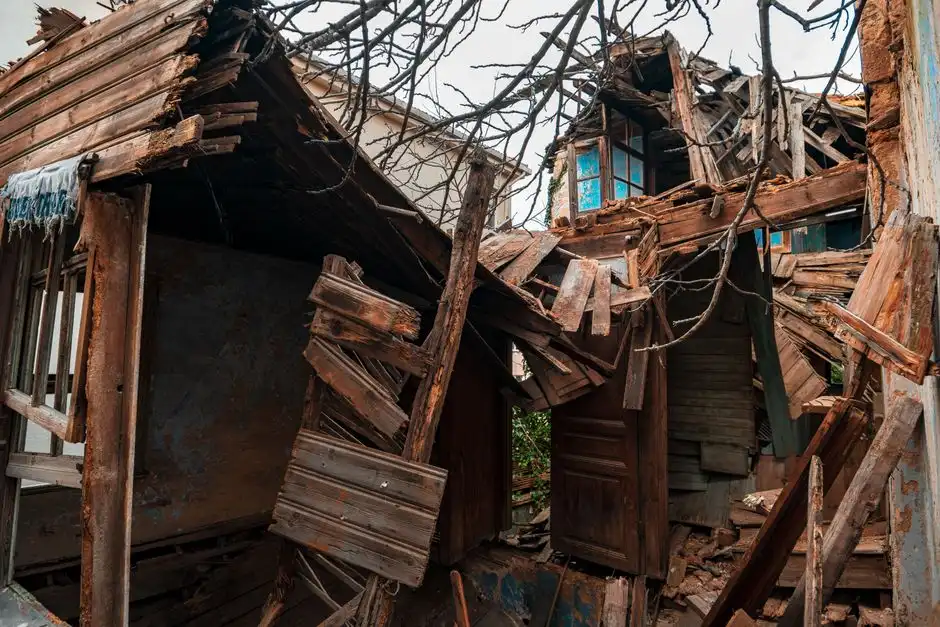
A supply line failed overnight and left about 3 inches of standing water across a 900-square-foot crawl space. Insulation was soaked, vapor barrier was torn, and the subfloor read 28 percent moisture content.
After: We extracted the water in three hours, removed the ruined insulation and vapor barrier, and ran drying equipment for four days. Final subfloor readings came in at 11 percent, and new vapor barrier was sealed in place.
Book this service →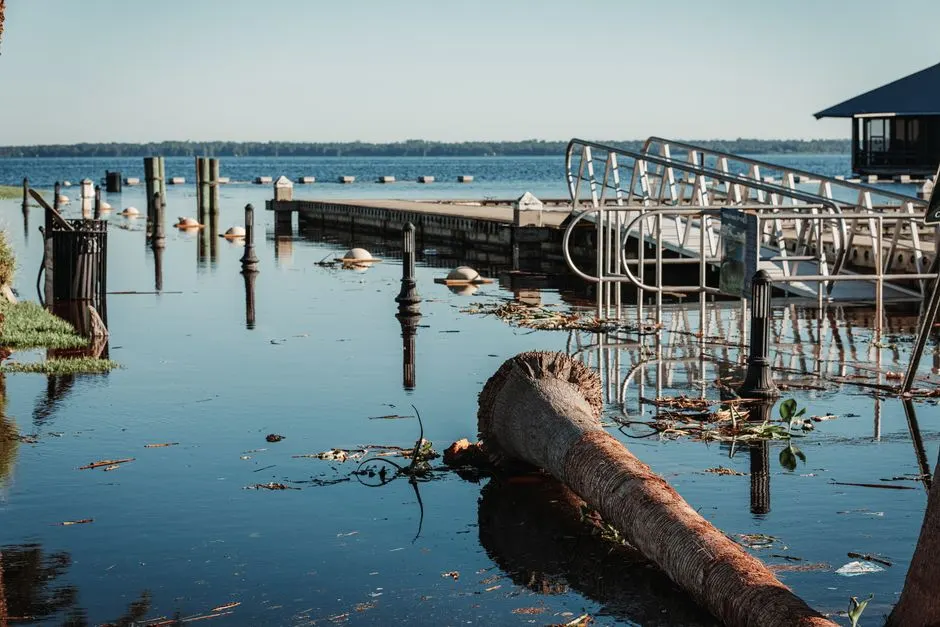
Fall rain pushed water through a foundation crack and soaked the soil under a 1,200-square-foot crawl space. The homeowner had pumped it out twice with a shop vac, and the space never dried between storms.
After: We extracted the remaining water, dried the framing over five days, and sealed the crack with a waterproof membrane. A new sump pump was installed, and the space stayed dry through the next wet season.
Book this service →
A failed water heater released about 60 gallons into a crawl space with old batt insulation. The insulation was saturated, the vapor barrier was floating, and musty odor had reached the living room above.
After: We pumped out the water, bagged and removed all wet insulation, and dried the joists and subfloor in four days. Final readings held at dry-standard, and the odor cleared once the space was dry and the vapor barrier replaced.
Book this service →Water under a house shows up in ways homeowners do not always connect to the crawl space. These are the problems we see most in Washington, and what happens if they are left alone.
Ask a pro →We extract the water, remove saturated material, dry the framing to verified readings, and run air scrubbers. Once the space is dry, the odor source is gone, not masked.
We dry the framing first, then assess whether joists need sistering or subfloor sections need replacement. Crawl space water damage repair is scoped only after the moisture is under control.
Our IICRC AMRT and ACAC-certified staff assess the growth, contain the area, remove affected material, and treat the framing. We verify with post-remediation checks before closing the space.
We trace the entry point, whether it is grading, a foundation crack, or a failed sump pump, and recommend crawl space drainage WA fixes such as a french drain or new sump pump so the repair holds.
Most crawl space water removal jobs in WA run $1,200 to $4,500 in 2026, with simple extraction and drying near the low end and mold treatment or framing repair pushing higher. Square footage, water depth, and whether insurance covers the loss move the number. We give you a written price after the assessment, before any work begins.
We pump standing water with a water extraction unit, vacuum saturated soil and insulation, then dry the framing with air movers and dehumidifiers sized to the space. Technicians verify moisture daily with a meter and thermal camera. Most spaces dry in three to five days, and we remove ruined vapor barrier and insulation the same visit.
The usual causes are a burst pipe, supply line leak, water heater leak, foundation crack leak, or storm water running against the footing. Washington's wet winters keep soil saturated from November through March, so drainage problems show up then. We trace the source before extracting so the fix addresses the cause, not just the puddle.
Yes. Mold can start on wet framing within 24 to 48 hours, and a damp crawl space stays humid long after the standing water is gone. That is why we dry to verified readings and treat any growth with IICRC AMRT protocols. Left alone, mold spreads into subfloor and insulation and raises indoor air quality problems upstairs.
Standing water under your floor gets worse every hour. We answer 24/7, give you a written price before work starts, and dry to verified readings. Call now and we will tell you exactly what your crawl space needs.
Call for Service 1234567890 →Call us any hour, any day. A live person answers and dispatches a crew, and most Fife, Puyallup, and Tacoma addresses see us within 60 minutes. If you prefer email, send the details and we will call you back fast. We inspect first and give you a written estimate before work starts.