Moisture Inspection
We use a moisture meter and thermal imaging camera to map wet areas behind walls and under flooring. This tells us where water traveled and what needs drying.
Basement Water Damage Repair in WA means stopping the water, pulling it out, and drying the structure to standard, not just mopping the floor. We handle basement water removal WA for flooded basements, seepage after storms, and slow leaks behind finished walls. Call and we roll a truck with extraction and drying gear the same day.
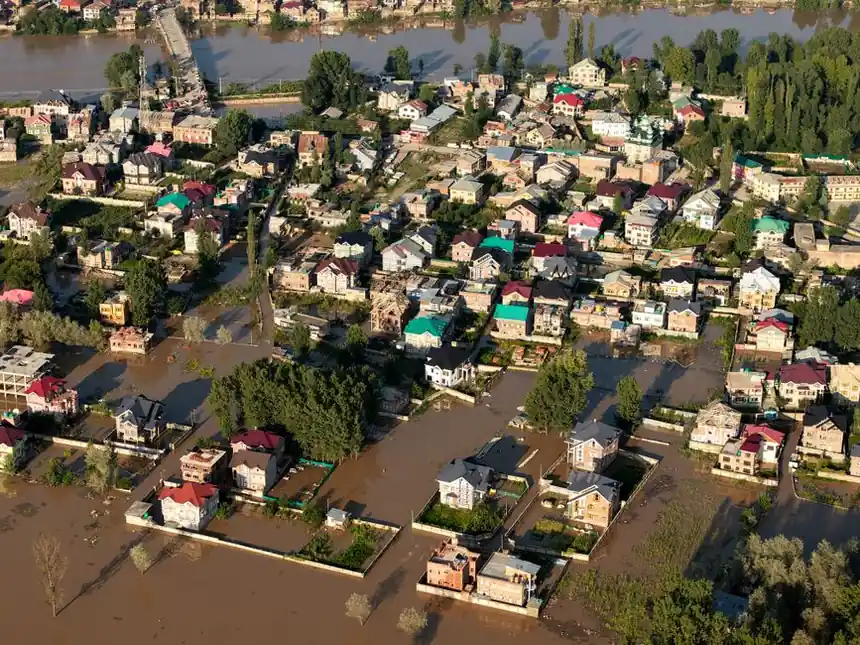
Basement Water Damage Repair in WA is the full process of removing standing water, drying structural materials, and fixing the source so your basement stays dry. It covers extraction with a water extraction unit, moisture mapping with a moisture meter and thermal imaging camera, and controlled drying using air movers and dehumidifiers. We also handle the repairs that follow: cutting out saturated drywall, pulling wet insulation, and treating framing before we close anything back up.
Washington basements take on water in predictable ways. Fall and winter rain saturates soil, finds a foundation crack, and seeps in. A failed sump pump or a burst pipe turns a finished room into a wading pool overnight. If you search basement water damage repair near me WA after a storm, you want a crew that knows how Pacific Northwest drainage behaves. We do, and we bring the gear to prove it.
Every job starts with inspection and extraction and ends with verified dry readings. Here is what is covered in a standard basement water damage repair. If we find mold or sewage, we will talk to you about adding that scope before we proceed.
We use a moisture meter and thermal imaging camera to map wet areas behind walls and under flooring. This tells us where water traveled and what needs drying.
Standing water is removed with a water extraction unit. We pull water from carpet, pad, and hard surfaces and check low spots where it pools.
Air movers and dehumidifiers dry framing, drywall, and subfloor. We monitor with a hygrometer and adjust equipment daily until materials meet dry standard.
We fix the cause: foundation crack, failed sump pump, burst pipe, or supply line leak. Stopping the water is the only way to keep the basement dry.
We replace saturated drywall, insulation, baseboard, and flooring as needed. The basement goes back to a finished, usable space.
You call and describe the water. We ask about the source, the depth, and whether power is safe. A crew heads your way with extraction and drying equipment, and we give you a clear arrival window.
We walk the basement with a moisture meter and thermal imaging camera to find hidden wet spots behind walls and under flooring. This takes 30 to 60 minutes and tells us exactly what we are dealing with.
Standing water comes out first using a water extraction unit. We pull water from carpet, pad, and hard surfaces, then check corners and low spots where it pools. Most extraction runs two to four hours.
We set air movers and dehumidifiers to dry framing, drywall, and subfloor. A hygrometer tracks humidity and we adjust equipment daily. Most basements dry in three to five days.
Once materials are dry, we repair what the water damaged: drywall, baseboard, insulation, and flooring. Before we leave, we take final moisture readings and show you the numbers.
You call and describe the water. We ask about the source, the depth, and whether power is safe. A crew heads your way with extraction and drying equipment, and we give you a clear arrival window.
Measures moisture content in drywall, wood, and concrete so we know what is wet and when it is dry.
Reveals temperature differences that point to hidden water behind walls and under floors.
Pulls standing water and water trapped in carpet and pad quickly.
Move air across wet surfaces to speed evaporation from framing and flooring.
Removes moisture from the air so drying continues and humidity stays controlled.
Tracks relative humidity so we can adjust drying equipment and confirm conditions.
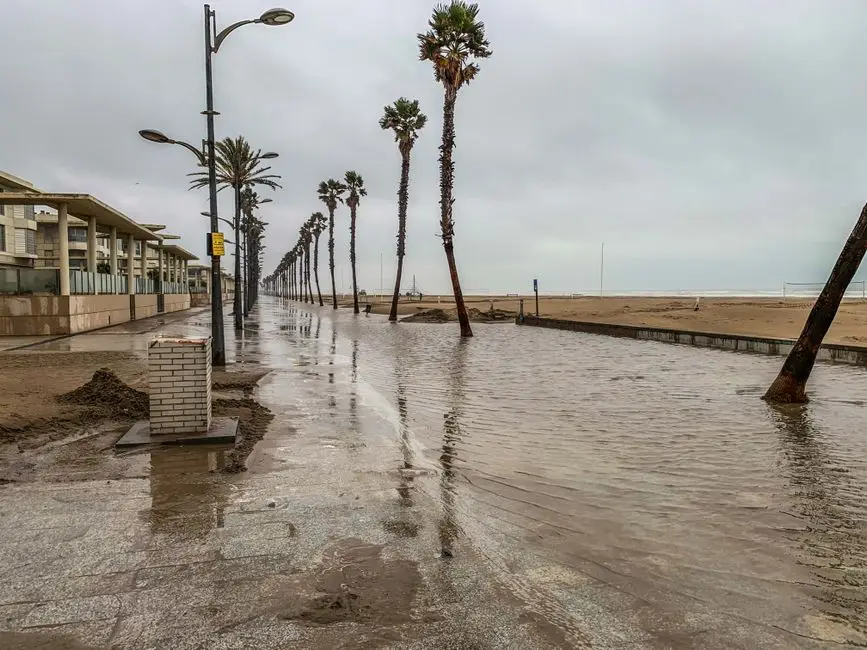
A storm overwhelmed the sump pump and two inches of water covered the carpet in a finished basement. Drywall was wet 12 inches up the wall and the room smelled musty.
After: We extracted the water, removed wet pad, and dried the carpet and drywall in four days. Moisture readings confirmed dry standard, and we replaced the sump pump and baseboard.
Book this service →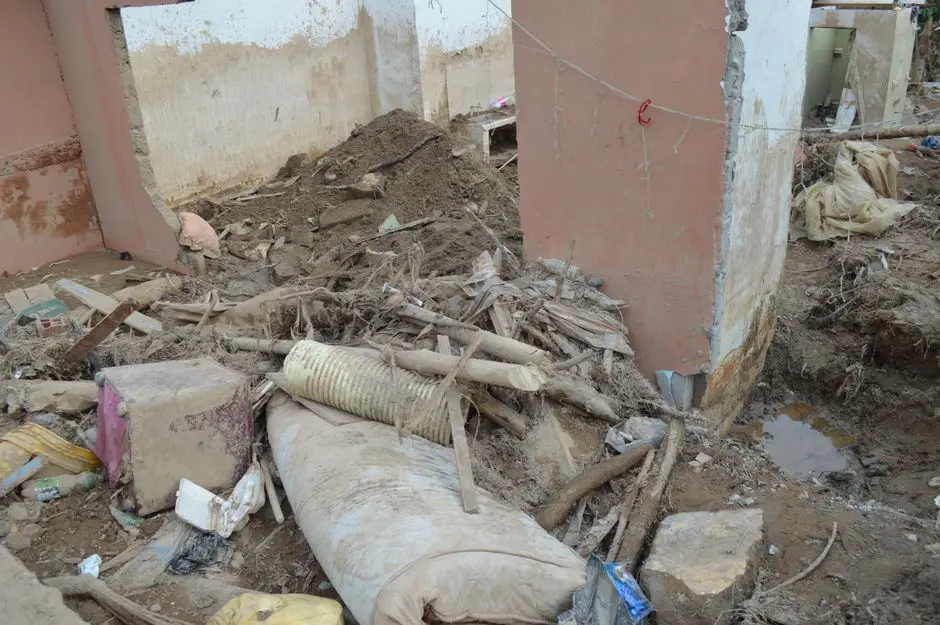
A supply line behind the wall leaked slowly for weeks, soaking drywall and framing in a basement office. The homeowner noticed bubbling paint and a damp smell.
After: We found the leak with a thermal camera, repaired the line, and dried the framing in five days. We replaced the drywall and repainted the office.
Book this service →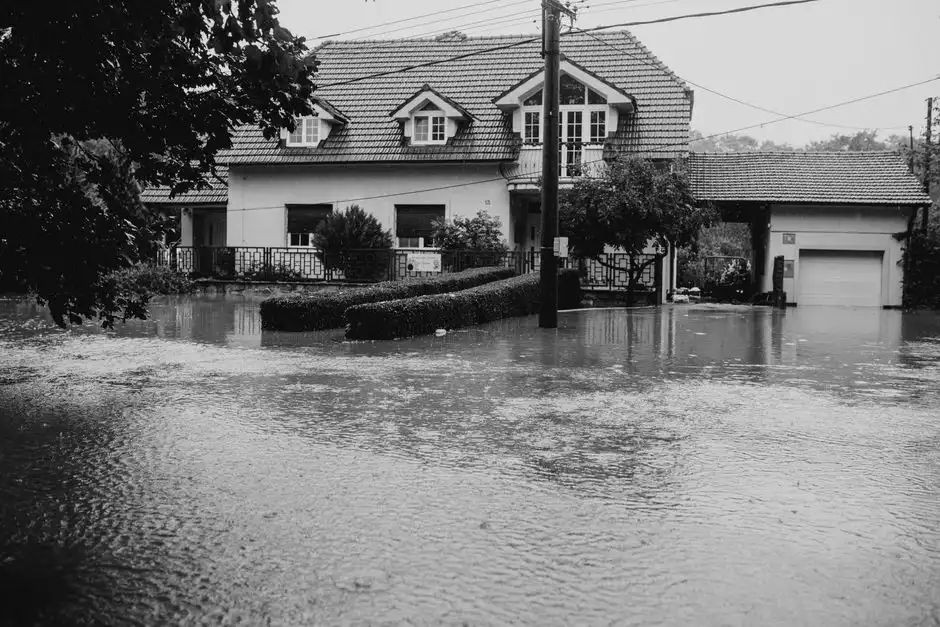
A sewage backup sent Category 3 water across the basement floor. Carpet and drywall were contaminated and the space was unusable.
After: We removed contaminated materials, disinfected the area, and dried the structure in six days. New drywall and flooring went in, and the basement was safe to use.
Book this service →Most basement water calls come down to a handful of causes. We diagnose the cause and fix it so you are not calling us again next rainy season.
Ask a pro →We inject or seal foundation cracks and improve drainage so water stays outside. Then we dry the interior and repair damaged materials.
We extract the water, dry the space, and repair or replace the sump pump. We test the new pump under load before we leave.
We shut off the water, repair the line, extract standing water, and dry the structure. We also check for hidden moisture behind walls.
We remove contaminated materials, disinfect surfaces, and dry the structure. We follow safety protocols and dispose of waste properly.
Most basement water damage repair jobs in WA run $1,500 to $6,500, with minor extraction and drying near the low end and finished-basement rebuilds at the top. The biggest cost drivers are water category, square footage affected, and whether drywall or flooring must be replaced. We give you a written price before work starts.
Your basement is wet after rain because water is finding a path in, usually through a foundation crack, a failed sump pump, or poor exterior drainage. Washington's fall and winter rain saturates soil fast, and hydrostatic pressure pushes water through block or poured walls. We trace the entry point and fix it, not just the puddle.
Yes. A wet basement can be fixed in WA, and most cases are solved with a combination of water extraction, structural drying, and source repair such as foundation crack waterproofing or sump pump repair. The key is drying the structure fully and stopping the water entry, which prevents the problem from returning next rainy season.
Most basements in WA dry in three to five days with commercial air movers and dehumidifiers running continuously. Dense materials like subfloor and saturated framing can take longer, up to seven days. We check moisture readings daily and do not pull equipment until the numbers meet dry standard.
Water spreads fast. Call now and we will send a crew with extraction and drying equipment. We are licensed, insured, and ready to work.
Call Now 1234567890 →Call us any hour, any day. A live person answers and dispatches a crew, and most Fife, Puyallup, and Tacoma addresses see us within 60 minutes. If you prefer email, send the details and we will call you back fast. We inspect first and give you a written estimate before work starts.