Box-Level Inventory and Photos
Every box, folder, and loose stack is logged and photographed at intake. You get a copy, which doubles as claim documentation and tells you exactly what came back.
When a pipe bursts over a filing cabinet or a crawl space floods under stored boxes, document drying and restoration in WA, Washington is what stands between a soaked stack of paper and a total loss. We handle paper document drying WA homeowners and offices rely on, from single deeds to full file rooms. Our crews stabilize, freeze, and dry records before ink bleeds and pages bond together. Call and we roll.
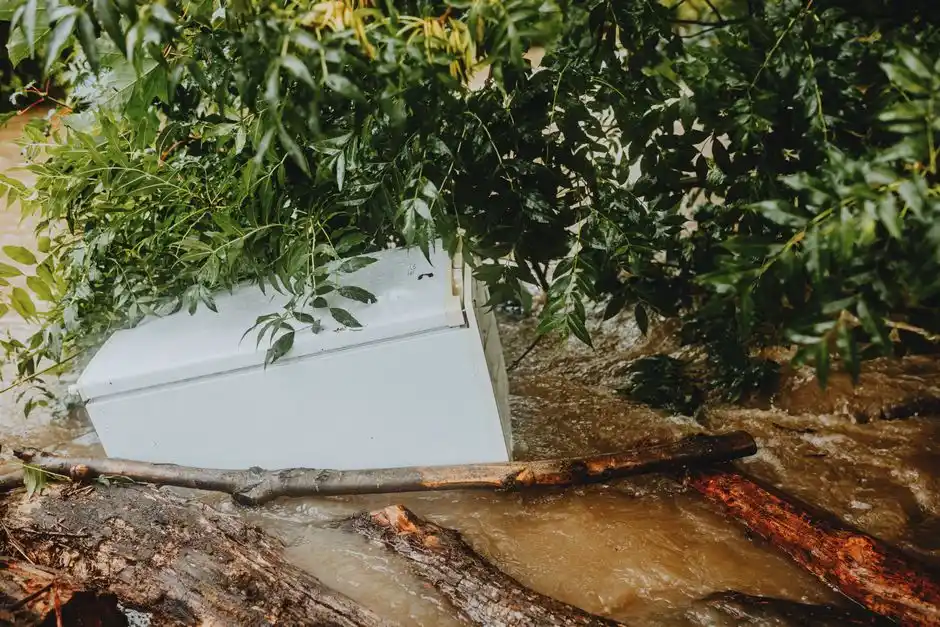
Document drying and restoration in WA, Washington is a controlled drying process that stabilizes wet paper, removes moisture from ink and binders, and returns records to readable, usable condition. Wet paper is fragile in a way most people underestimate: fibers swell within hours, coated stock fuses into solid blocks, and water-soluble inks start to feather. Our technicians log every box, photograph pages, and move material into a climate-controlled drying environment fast enough to stop that chain reaction.
In this region the calls come from everywhere: a supply line leak behind a home office wall in Federal Way, a water heater leak soaking tax records in a Puyallup garage, a storm-driven roof leak dripping onto archived files in Auburn. We treat document restoration WA Washington jobs as time-critical because mold can colonize damp paper in 48 to 72 hours. If you are searching for document drying and restoration near me WA after a weekend flood, our line is answered around the clock.
Our standard document recovery covers pickup, inventory, drying, cleaning, and return. Freeze drying for coated or bound stock and sewage-affected handling are quoted separately once we see the load, because they change the equipment and the timeline.
Every box, folder, and loose stack is logged and photographed at intake. You get a copy, which doubles as claim documentation and tells you exactly what came back.
Documents dry in a humidity-controlled space with air movers and dehumidifiers, monitored daily with a hygrometer and moisture meter. Chamber conditions are recorded, not assumed.
Coated paper, glued bindings, and photo stock go through freeze drying to prevent pages from fusing. This is the method that saves material air drying would ruin.
Dry pages are cleaned of silt and debris, and the chamber runs air scrubbers and ozone treatment to clear musty odor before return.
Records return in clean, labeled archive boxes in the order received, with a final condition summary noting anything that did not fully recover.
We arrive, stop the water source if it is still active, and pull documents out of standing water. Pages are separated with interleaving sheets where possible, boxed, and kept cool to slow mold. This first hour is when the most damage is prevented.
Each box and folder is logged, photographed, and tagged. We note coated paper, thermal fax stock, and bound volumes separately because they dry differently. You receive a condition report before anything enters the chamber.
Damp but stable paper goes into a humidity-controlled drying chamber with air movers and dehumidifiers. Saturated or coated stock is frozen to lock the fibers, then dried under vacuum. Freeze drying documents WA clients ask about is the standard for glued bindings and photo stock.
Once dry, pages are cleaned of silt and debris, and we run an ozone generator or air scrubber in the chamber to clear musty odor. Sewage-affected paper gets a separate sanitizing pass because contamination changes the handling rules.
Documents go back into clean, labeled archive boxes in the order we received them, with a final condition summary. Standard loads return in three to five business days. Larger or freeze-dried collections run seven to ten.
We arrive, stop the water source if it is still active, and pull documents out of standing water. Pages are separated with interleaving sheets where possible, boxed, and kept cool to slow mold. This first hour is when the most damage is prevented.
Reads moisture content in paper and box stock so we know when a load is genuinely dry rather than dry to the touch.
Tracks relative humidity inside the drying chamber. We hold it low enough to pull moisture from paper without cracking fibers.
Locks saturated and coated documents at low temperature, then sublimates the ice so pages separate instead of fusing.
Circulates dry air through the chamber and pulls moisture out of the space, the same equipment we use on structural drying.
Filters spores and debris from chamber air so mold does not settle on clean stock during the drying cycle.
Clears musty odor from dried paper and the surrounding room after a wet load has been processed.
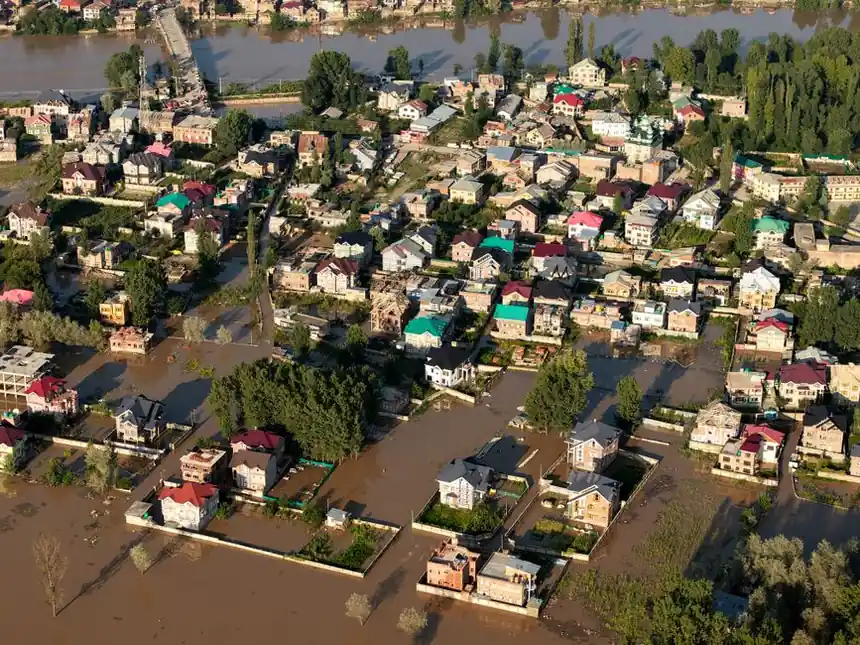
A supply line failed above a home office in Federal Way overnight, soaking roughly 30 boxes of client files and tax records. Coated folders had begun to fuse and pages were cold and saturated when we arrived.
After: We inventoried the load, freeze dried the coated stock, and chamber dried the loose paper. Twenty-eight of 30 boxes came back fully readable and flat, with two boxes of heavily saturated material partially recovered.
Book this service →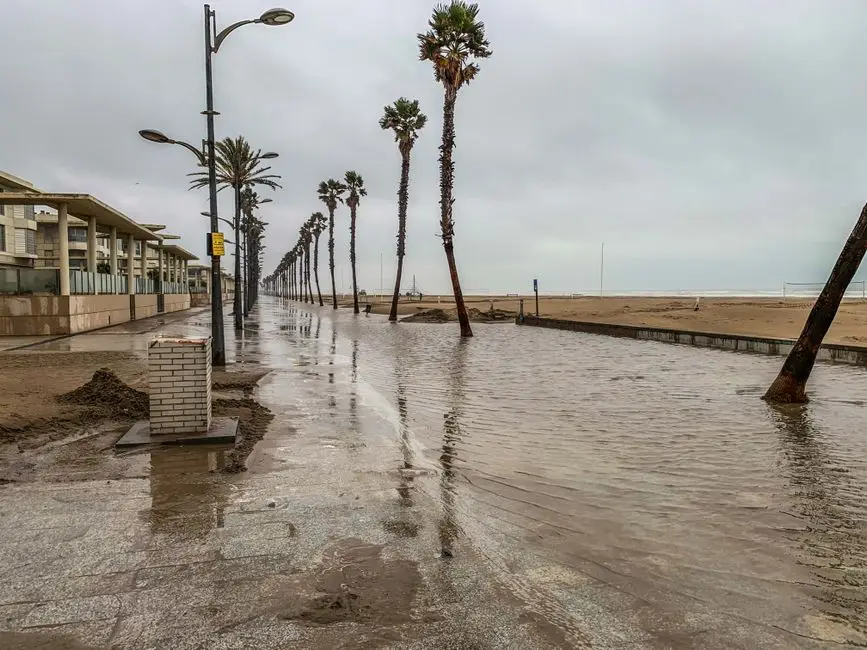
A fall storm overwhelmed a sump pump and put 4 inches of water across a Fircrest basement floor, soaking family photo albums and bound records stored on the ground. Water had been standing about 14 hours.
After: We extracted the water, pulled the boxes, and ran the albums through freeze drying. Every photo was recovered and bound volumes came back readable, with light edge waviness on about a dozen pages.
Book this service →
A roof leak dripped through a ceiling in Auburn over a weekend, wetting about 60 boxes of contracts and payroll records. Humidity in the room had climbed and box edges were softening.
After: We dried the structure, prioritized contracts and payroll for the chamber, and returned all 60 boxes dry and in original order within five business days, with chamber logs supplied for the claim.
Book this service →Most document losses start as a small water problem someone planned to deal with later. By the time the boxes are opened, the damage has set. Here is what we run into most.
Ask a pro →We extract the water, separate pages with interleaving sheets where possible, and move the load into freeze drying before fibers lock. Most overnight-soaked loads recover the majority of pages.
We pull the records, dry the basement structure, and treat affected paper under contamination protocols. Sealing the crack stops the cycle so the same boxes are not soaked again next wet season.
We isolate the load, apply IICRC AMRT handling standards, and tell you plainly which items are safe to restore. Items that cannot be saved are documented for your claim.
We test first, remediate the space, and then assess the documents. Some loads dry clean after treatment; others are a partial save, and we say so before you pay.
Most household document drying jobs in Washington run $250 to $1,200, and full file-room recovery can reach $3,000 or more. Volume, saturation level, and whether freeze drying is needed drive the number. Coated or bound stock costs more per box than loose paper. We give you a firm price after the intake assessment, before drying starts.
We do. Water Restoration Pros handles water damaged document restoration WA homeowners, landlords, and businesses need, from single boxes to full records rooms. Our technicians are IICRC WRT and ASD certified and work from a climate-controlled drying chamber. Call and we will assess the load the same day.
Yes, most water damaged documents can be restored if they are stabilized within 48 to 72 hours. Freeze drying recovers many saturated and coated items that air drying would ruin. Pages that sat wet for a week or show active mold growth have lower odds, but we assess honestly before you commit.
Usually yes, when the loss comes from a covered event like a burst pipe, supply line leak, or storm damage. Sudden and accidental water losses are typically covered; long-term seepage often is not. We document the load in Xactimate format and work directly with your adjuster to support the claim.
Every hour wet paper sits, the odds drop. Call us and we will assess the load, give you a firm price, and get your records into a drying chamber. Licensed, insured, and answering around the clock.
Call for Pickup 1234567890 →Call us any hour, any day. A live person answers and dispatches a crew, and most Fife, Puyallup, and Tacoma addresses see us within 60 minutes. If you prefer email, send the details and we will call you back fast. We inspect first and give you a written estimate before work starts.