Moisture Inspection and Mapping
We use a moisture meter, hygrometer, and thermal imaging camera to find every wet area, including under baseboard and into the subfloor. You get a clear picture of what is wet before any equipment is set.
Hardwood Floor Water Damage Restoration in WA starts the moment you call. We pull standing water, dry the boards and subfloor to verified moisture targets, and tell you straight whether your floor can be saved or needs replacement. Homeowners across Fife, Puyallup, Tacoma and Federal Way call us for wood floor water extraction WA because we move fast, document everything for your claim, and do not leave until a moisture meter says the wood is dry.
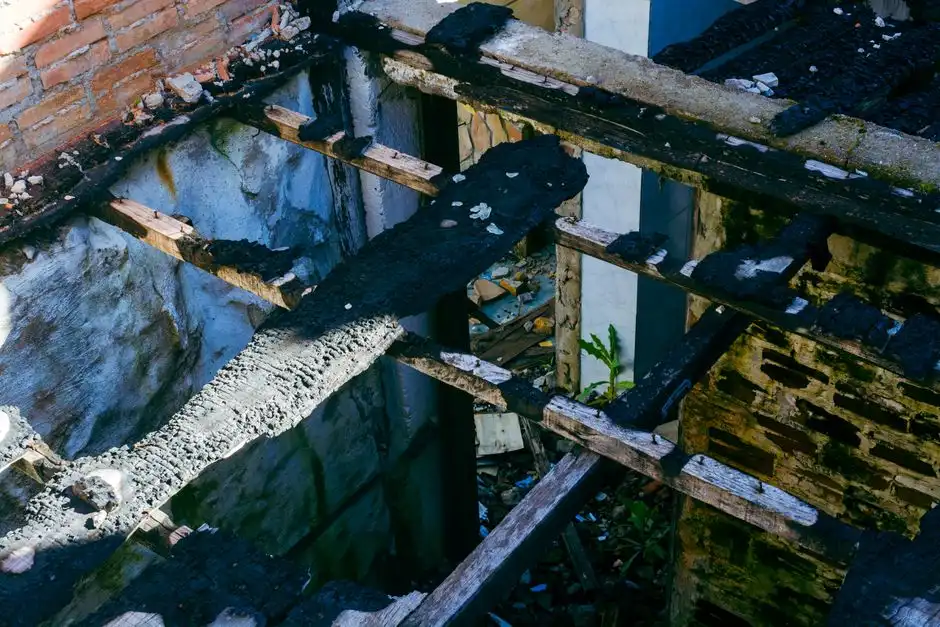
Hardwood Floor Water Damage Restoration in WA is the process of extracting standing water from wood flooring, drying the boards and subfloor to a verified moisture content, and repairing or replacing only the material that cannot be saved. Water wicks into end grain and travels along the subfloor faster than most homeowners expect. Cupping, crowning, and gapping can show up within 24 to 48 hours. Our technicians use a moisture meter and thermal imaging camera to map exactly where the water traveled before we set a single air mover.
Washington homes see this constantly: a supply line leak behind the dishwasher, a water heater leak in a garage closet, a toilet overflow upstairs, or storm-driven rain pushing under a sliding door. Older homes around Puyallup and Auburn often have original oak over a crawl space, which changes how wet hardwood floor drying WA Washington has to be run. If you have been searching for hardwood floor water damage restoration near me WA at 2 a.m., we answer the phone and dispatch a crew.
Every job starts with a full inspection and a written scope. These are the core items included in a standard hardwood floor water damage restoration in WA. Replacement material, subfloor repair, and plumbing fixes are quoted separately once we know what the loss actually involves.
We use a moisture meter, hygrometer, and thermal imaging camera to find every wet area, including under baseboard and into the subfloor. You get a clear picture of what is wet before any equipment is set.
A water extraction unit pulls standing water from the floor seams and from beneath the boards. Extraction is the step that gives the wood its best chance to dry in place without cupping.
We set air movers, dehumidifiers, and a floor drying system sized to the room. Where water is trapped under the boards, an injectidry system pushes dry air into the cavity.
A technician checks readings every day and adjusts equipment. You get the logs at the end, which document the dry-down for your insurer and for future reference.
Boards that cannot be saved are cut out and replaced to match the existing floor. We feather in new material and finish it so the repair blends with the rest of the room.
Baseboard removed for drying is reinstalled after the wall cavity and floor are dry. We match trim and paint where needed so the room looks finished, not patched.
You call and describe what happened. We ask about the water source, how long it ran, and whether the floor is solid or engineered. A crew is dispatched 24/7, and we walk you through shutting off the supply line or water heater before we arrive.
On site, we use a moisture meter, hygrometer, and thermal imaging camera to find the wet zone and check the subfloor, baseboard, and drywall. This usually takes 30 to 60 minutes and tells us whether the floor is a dry-in-place candidate or a partial replacement.
A water extraction unit pulls standing water from the seams and from under the boards. We remove baseboard where needed to open the wall cavity and get airflow to the subfloor. Extraction is the step that buys your floor the most time.
We set a floor drying system with air movers and dehumidifiers, and use an injectidry system where water is trapped under the boards. Drying typically runs 3 to 5 days. We check readings daily and adjust equipment until the wood hits the dry standard.
Boards that cupped or buckled beyond saving are replaced to match. We reinstall baseboard, do a final moisture check, and hand you the documentation. If a board can be saved, we save it; we do not sell a full replacement when a targeted repair will do.
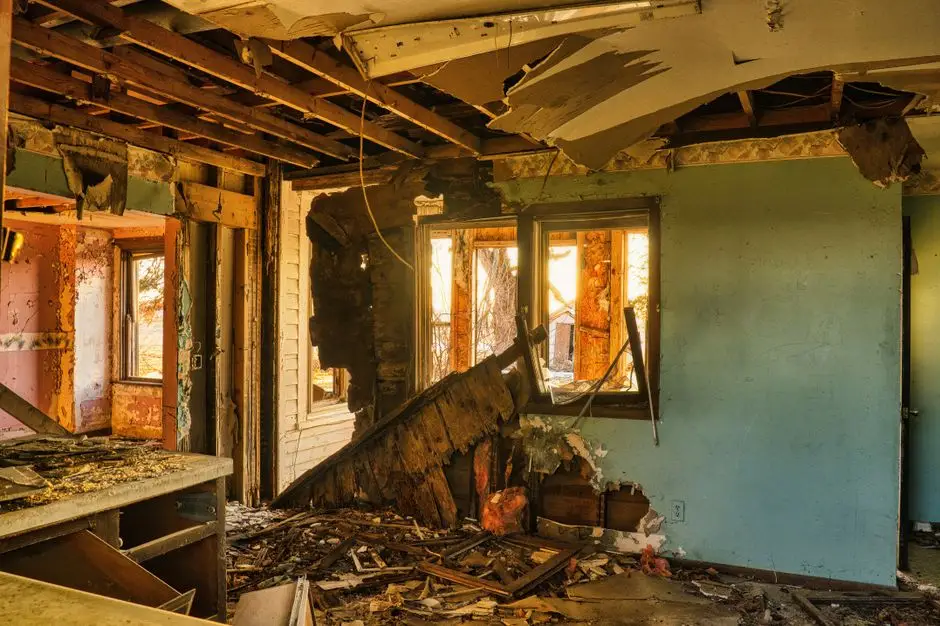
You call and describe what happened. We ask about the water source, how long it ran, and whether the floor is solid or engineered. A crew is dispatched 24/7, and we walk you through shutting off the supply line or water heater before we arrive.
Reads moisture content in the wood and relative humidity in the room so we can set a dry standard and know when the floor is actually dry.
Finds hidden water under the floor and in wall cavities without tearing anything open until we know where the wet zone is.
Pulls standing water from seams and from beneath boards, which is the fastest way to reduce the total drying time.
Forces dry air under and between boards where water is trapped, drying the subfloor and the underside of the hardwood.
Moves air across the floor surface and removes moisture from the room air so the dry-down keeps progressing.
Scrubs the air during drying and lets us look inside wall and floor cavities without unnecessary demolition.
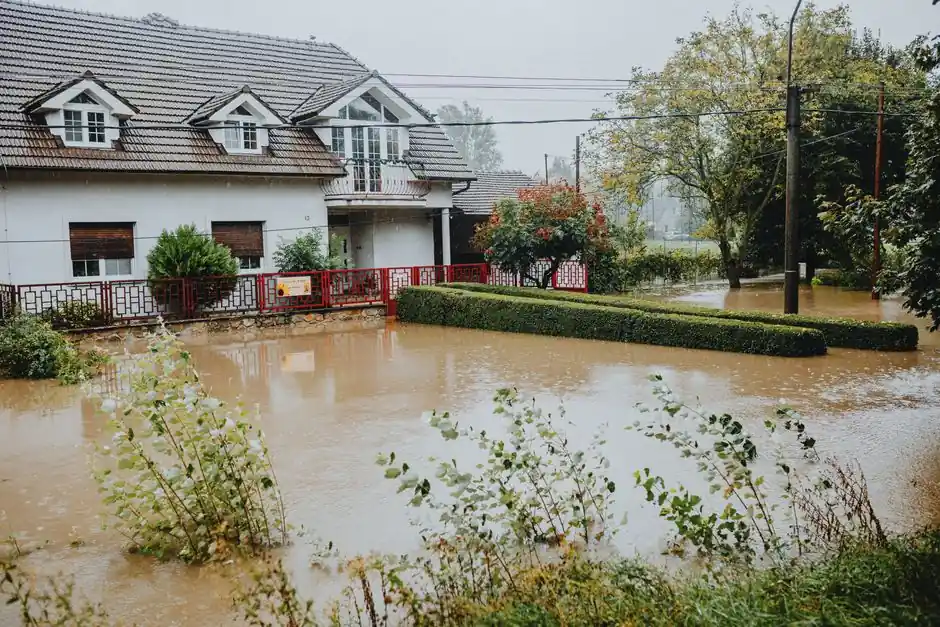
A dishwasher supply line failed overnight and left standing water across 320 square feet of oak in a Downtown Puyallup kitchen. The boards were cupping at the seams and the subfloor read wet across the room.
After: We extracted within two hours of the call, set a floor drying system and dehumidifiers, and had the wood back to its dry standard in four days. No boards needed replacement, and the finish was unaffected.
Book this service →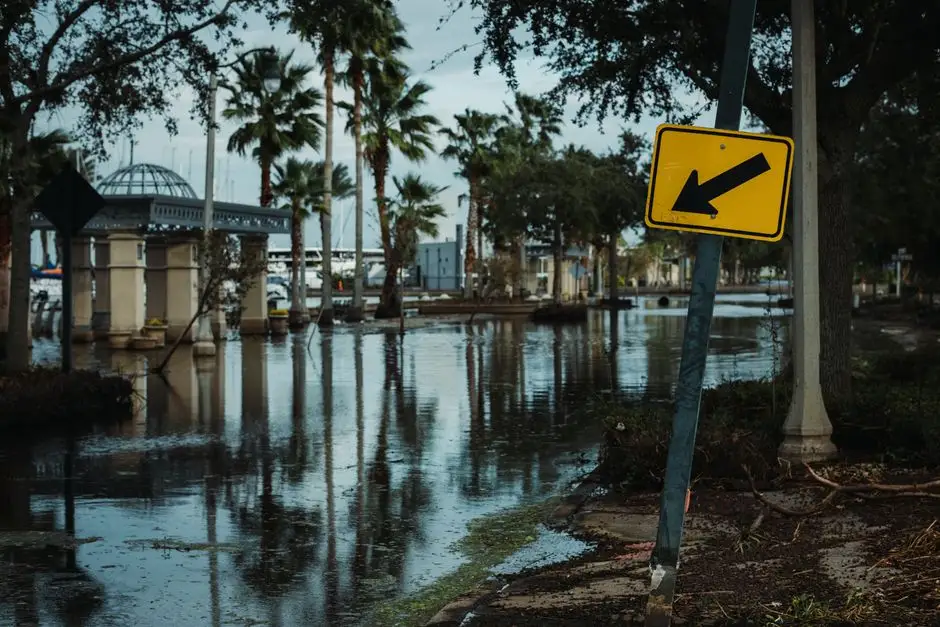
A water heater leak in a hallway closet soaked 180 square feet of engineered flooring in a Federal Way condo. Water had traveled under the baseboard into the adjacent bedroom.
After: We extracted, opened the baseboard, and dried the floor and wall cavity over five days. Two boards at the closet threshold were replaced and blended in. Moisture readings returned to normal across both rooms.
Book this service →
An upstairs toilet overflow sent water through the floor and onto 240 square feet of hardwood below in a University Place home. The ceiling below was stained and the floor was wet across the room.
After: We dried the hardwood and subfloor in five days, replaced four buckled boards, and repaired the ceiling drywall. The final moisture log matched the dry standard in every reading.
Book this service →Most wet-hardwood calls come from a handful of sources. Here is what we see most often and how we handle it.
Ask a pro →We control the dry-down with a floor drying system and dehumidifiers so the boards release moisture evenly. If a board is too far gone, we replace it rather than sand a floor that will not flatten.
A thermal imaging camera and moisture meter find the trapped water. We open the assembly where needed and use an injectidry system to dry the cavity before we close it back up.
We meter the full room, not just the visible stain, and dry the affected area. We also document the leak point so your insurer and appliance tech can address the cause.
We photograph and meter every affected area and build the scope in Xactimate. You get a claim-ready package the same week, which keeps the process moving.
Most hardwood floor water damage restoration jobs in WA run $1,200 to $4,500 in 2026, with larger multi-room losses reaching $7,000 or more. Extraction and drying for a single room typically lands in the lower half of that range. Replacement of buckled boards, subfloor repair, and baseboard reinstallation add cost. We give you an upfront price before work starts.
Most wet hardwood floors can be saved if extraction starts within 24 to 48 hours and the water was clean. Solid oak and maple usually dry in place with a floor drying system and injectidry system. Boards that have buckled, delaminated, or sat wet for days are replaced. We meter the floor and tell you which boards are salvageable before we quote anything.
Drying hardwood floors in WA usually takes 3 to 5 days with commercial air movers and dehumidifiers running continuously. Thicker solid wood, engineered flooring over a crawl space, and high indoor humidity can push it to 6 or 7 days. We check moisture readings daily and do not remove equipment until the wood reaches its dry standard.
Most homeowners policies in WA cover sudden water damage such as a burst pipe, supply line leak, or water heater failure, but not long-term seepage or flooding. We document the loss with photos and moisture readings and build the scope in Xactimate so your adjuster has what they need. We work directly with all major carriers and can bill them for the covered portion.
Water on hardwood gets worse every hour. Call now for 24/7 emergency response, a same-day inspection, and an upfront price before we start. We are licensed, insured, and IICRC trained.
Call Now 1234567890 →Call us any hour, any day. A live person answers and dispatches a crew, and most Fife, Puyallup, and Tacoma addresses see us within 60 minutes. If you prefer email, send the details and we will call you back fast. We inspect first and give you a written estimate before work starts.