Emergency Tarp and Board-Up
We cover roof breaches, broken windows, and damaged siding to stop water from getting in. This happens on the first visit, before drying equipment is even set.
When a Pacific Northwest storm tears off shingles, drops a fir through the roof, or drives rain under a door, storm damage restoration in WA, Washington starts with stopping the water. We tarp, extract, and dry before mold sets in. Our storm cleanup services WA Washington crews work across Fife, Puyallup, Federal Way, and Tacoma, handling the insurance claim and the drying log so you are not piecing it together alone at 2 a.m.
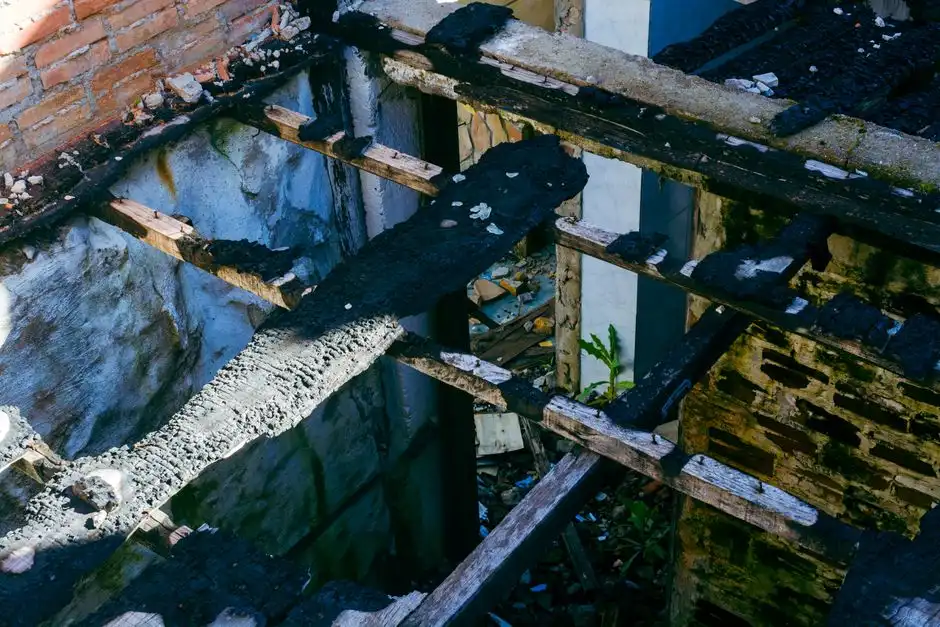
Storm damage restoration in WA, Washington is the process of securing a building after wind, rain, hail, or a fallen tree has breached it, then removing the water and drying the structure to pre-loss moisture levels. It is not just shop-vac work. A real storm response covers emergency tarping, board-up, water extraction, structural drying, and repairs to drywall, insulation, roofing, and flooring. We document every wet material with a moisture meter and thermal imaging camera so the drying is proven, not guessed, and the insurance file holds up.
Western Washington storms hit differently than most of the country. Atmospheric rivers dump inches of rain in a day, low-pressure systems push water sideways through window frames, and saturated soil lets trees topple onto roofs and fences. That is why storm water damage restoration WA calls spike every fall and winter. If you are searching for storm damage restoration near me WA after a wind event, the first 24 to 48 hours decide whether you are drying drywall or cutting it out. We move fast because mold can begin colonizing wet framing within 48 to 72 hours.
Every storm job is different, but the core of storm damage restoration in WA, Washington is the same: secure the building, remove the water, dry the structure, and repair what was damaged. Here is what is covered in a standard response, and what we quote separately if your job needs it.
We cover roof breaches, broken windows, and damaged siding to stop water from getting in. This happens on the first visit, before drying equipment is even set.
Standing water comes out with a water extraction unit. We pull water from carpet, hard floors, and low spots so drying can start immediately.
Air movers, dehumidifiers, and a floor drying system or injectidry system dry the framing and cavities. We monitor with a moisture meter and hygrometer daily.
We use a thermal imaging camera and moisture meter to map the water path, then log readings daily for your insurance claim.
Storm debris, wet insulation, and ruined drywall come out. We haul it away so your home is clear and safe to work in.
Drywall, insulation, baseboard, flooring, and paint are repaired after drying. We finish the job so the room is usable again, not just dry.
You call and describe what happened: a tree on the roof, water pouring through a ceiling, a soaked basement. We ask the right questions, give you a realistic arrival window, and tell you what to do in the meantime, like shutting off power to wet areas or moving furniture off wet carpet.
We arrive, tarp the breach, and board up broken windows if needed. Then we inspect with a moisture meter, hygrometer, and thermal imaging camera to map exactly where water traveled. This usually takes 60 to 90 minutes and tells us how big the drying job really is.
Standing water comes out with a water extraction unit. Then we set air movers, dehumidifiers, and a floor drying system or injectidry system for hard-to-reach cavities. We check readings daily and adjust until the structure hits dry standard, which commonly takes three to five days.
Once dry, we replace what the storm ruined: drywall, insulation, baseboard, carpet padding, or hardwood flooring. We handle the repairs and the finish work so you are not hunting for a second contractor after the drying crew leaves.
We walk the job with you, confirm moisture readings are back to normal, and hand over the documentation for your insurer. You get a clear picture of what was done, what was replaced, and how to spot a problem if the weather turns again.
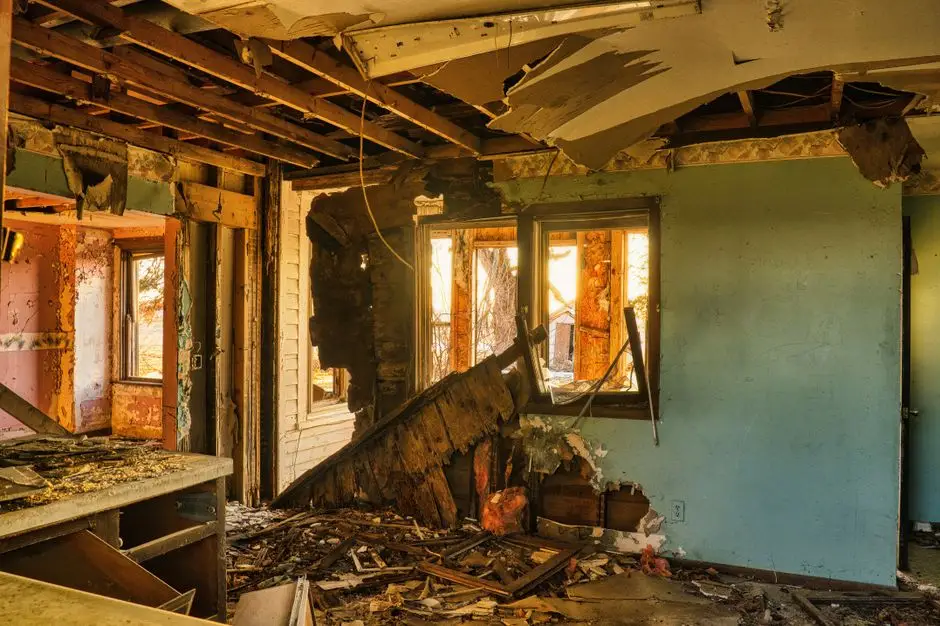
You call and describe what happened: a tree on the roof, water pouring through a ceiling, a soaked basement. We ask the right questions, give you a realistic arrival window, and tell you what to do in the meantime, like shutting off power to wet areas or moving furniture off wet carpet.
Measure moisture in materials and the air so we know when the structure has reached dry standard.
Finds hidden water behind walls and under floors that a visual inspection would miss.
Pulls standing water out of carpet and hard floors fast so drying can begin.
Move air across wet surfaces and pull moisture out of the air, drying framing and drywall.
Dry hardwood floors and wall cavities without tearing everything out.
Clean the air and knock down odors after storm water and mold exposure.
A windstorm tore off shingles over a hallway ceiling. Rain soaked the drywall and insulation for hours before the homeowner noticed the stain. Moisture readings showed water had spread two feet into the adjacent wall cavity.
After: We tarped the roof, extracted the water, and dried the ceiling and wall cavity in four days. The damaged drywall and insulation were replaced and painted, and the roof was repaired. Final moisture readings matched a dry reference area.
Book this service →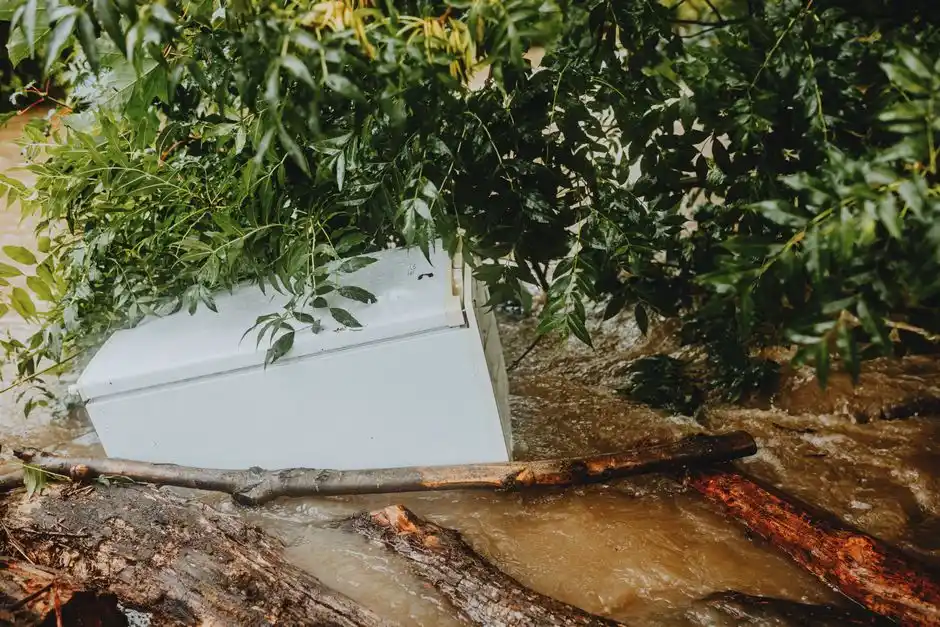
Heavy rain flooded a crawl space through foundation vents. The vapor barrier was floating and the joists were wet. The homeowner noticed a soft spot in the floor above and a musty smell.
After: We pumped and extracted the water, dried the joists and subfloor in five days, and reset the vapor barrier. The floor felt solid again and the musty smell was gone after air scrubbing.
Book this service →
Wind-driven rain blew under a sliding door and soaked the carpet and baseboard. The padding held water and the subfloor was wet. The homeowner called after noticing a damp smell two days later.
After: We pulled the wet padding, extracted the carpet, dried the subfloor in three days, and replaced the padding and baseboard. Moisture readings returned to normal and no mold developed.
Book this service →Storm damage rarely stays put. Water travels, wood swells, and mold moves in fast. These are the problems we see most often after a South Sound storm, and how we stop them.
Ask a pro →We tarp the breach the same day, extract water, and dry the ceiling cavity with air movers and a dehumidifier. Once dry, we replace the damaged drywall and insulation and repair the roof path so it does not leak again.
We use a thermal imaging camera and moisture meter to find the hidden water, then dry the cavities with an injectidry system or floor drying system. We replace wet insulation and drywall where needed.
We pump and extract the water, dry the joists and slab, and check the vapor barrier and sump pump. If drainage is the cause, we recommend a french drain or foundation crack waterproofing so the next storm does not repeat it.
We extract the water, dry the basement, and check the sump pump and backup options. If the pump failed, we repair or replace it so the next outage does not flood the basement.
Most residential storm damage restoration jobs in WA run $1,200 to $8,500, with the average around $3,000 to $4,500. A small roof leak that soaks one ceiling may land near $1,200, while a fallen tree that opens a roof and floods two rooms can push past $10,000. Insurance usually covers the covered peril, and your deductible applies. We give you a written price before work starts.
Call a licensed restoration contractor that handles both emergency tarping and structural drying, not just a roofer or a general handyman. You want a crew that can stop the water, dry the structure, document the loss for insurance, and finish the repairs. Call us and we will walk you through what to do before we arrive.
Most homeowners policies cover sudden storm damage from wind, hail, fallen trees, and rain that enters through a storm-created opening. Flooding from rising water is usually a separate policy through the National Flood Insurance Program. We document the loss with photos and moisture readings and build the scope in Xactimate so your adjuster has what they need to process the claim.
Drying typically takes three to five days, and repairs add another three to ten days depending on scope. A single roof leak with wet ceiling drywall may be dry in three days and repaired by day seven. A tree strike that opens a roof and soaks multiple rooms can run two to three weeks. We give you a day-by-day schedule after the inspection.
Storm damage gets worse with every hour of rain. Call us, tell us what happened, and we will give you a real arrival window and a clear price. Licensed, insured, and documenting your claim from the first hour.
Call Now 1234567890 →Call us any hour, any day. A live person answers and dispatches a crew, and most Fife, Puyallup, and Tacoma addresses see us within 60 minutes. If you prefer email, send the details and we will call you back fast. We inspect first and give you a written estimate before work starts.