Moisture inspection and mapping
We use a moisture meter, thermal imaging camera, and hygrometer to find wet pockets and trace the source. Readings are logged so you can see where the moisture is and how it changes.
Mold remediation in WA, Washington means finding the moisture source, containing the growth, and removing contaminated material so spores stop spreading through your home. We handle black mold removal WA for crawl spaces, drywall, and framing after leaks, floods, and long damp spells. If you have seen a musty smell or a dark stain spreading on drywall, call us before it reaches the joists.
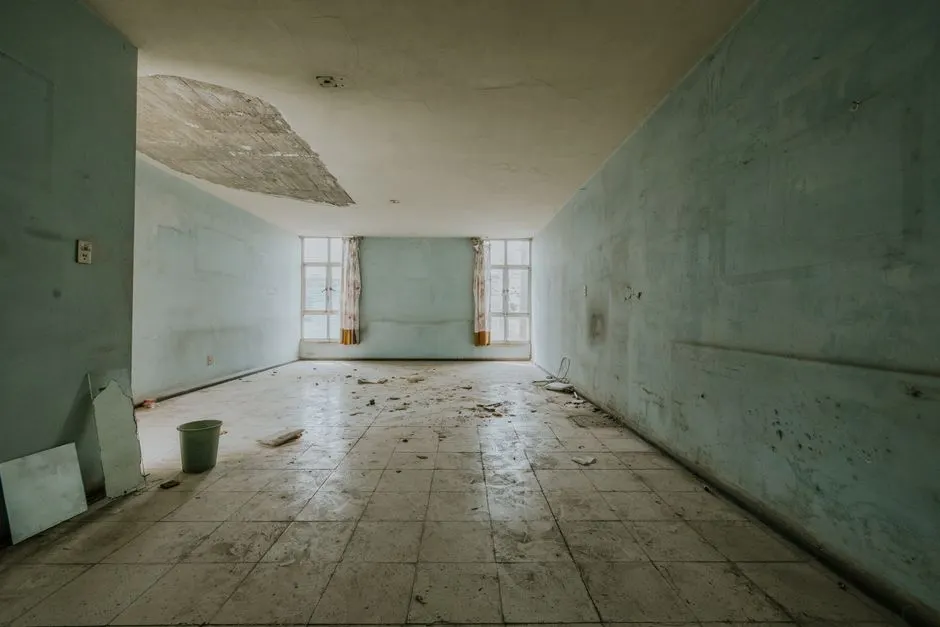
Mold remediation in WA, Washington is a controlled removal process that isolates the affected area, filters the air, and takes out mold-damaged material instead of just wiping the surface. Our technicians set up negative air pressure with an air scrubber, seal doorways with poly and tape, and wear full PPE before anyone touches a contaminated wall. We use a moisture meter and thermal imaging camera to find the wet pockets behind baseboard and under subfloor, because mold does not grow without a water source. Once the source is fixed, the growth stops coming back.
Western Washington stays damp from October through April, and that long wet season is why so many crawl spaces and exterior walls grow mold after a small supply line leak or a roof leak nobody noticed. If you are searching for mold remediation near me WA and the smell started after last winter's storms, the growth has likely been active for months. We test with a hygrometer and inspection camera, then build a removal plan around what we find rather than a flat package.
Every job includes inspection, containment, removal, cleaning, and drying verification. If reconstruction is needed after removal, we scope the drywall and baseboard repair so you know what comes next. Here is what is covered on a standard mold remediation job.
We use a moisture meter, thermal imaging camera, and hygrometer to find wet pockets and trace the source. Readings are logged so you can see where the moisture is and how it changes.
Poly barriers, zip doors, and an air scrubber create negative pressure so spores stay in the work zone. We check pressure before removal starts, not after, so the rest of your home stays protected.
Mold-damaged drywall, insulation, carpet padding, and baseboard come out and get bagged. Structural framing is HEPA-vacuumed and treated with an antimicrobial before the cavity is closed.
Air movers and a dehumidifier run until moisture readings hit dry standard, usually two to four days. We log readings daily and share them with you before pulling equipment.
Photos, moisture logs, and an Xactimate scope give your adjuster the detail needed to review the claim. You get a written record of what was removed and why.
A technician walks the home with a moisture meter, thermal imaging camera, and hygrometer to map where water is hiding. We take air and surface samples where growth is visible and identify the source, usually within 60 to 90 minutes on site.
We seal the work area with poly barriers and zip doors, then run an air scrubber to create negative pressure. This keeps spores from drifting into bedrooms and kitchens while removal is underway. Setup usually takes one to two hours depending on how many rooms are affected.
Contaminated drywall, insulation, and carpet padding come out and get bagged for disposal. Structural framing is HEPA-vacuumed and treated with an antimicrobial. We use an inspection camera to check inside wall cavities before closing anything up.
Air movers and a dehumidifier run until moisture readings match dry standard, which usually takes two to four days. We log readings daily and share them with you so you can see the structure drying out rather than taking our word for it.
We pull containment, confirm the source is repaired, and walk the space with you. You get photos, moisture logs, and a written summary. If reconstruction is needed, we scope the drywall and baseboard repair so you know what comes next.
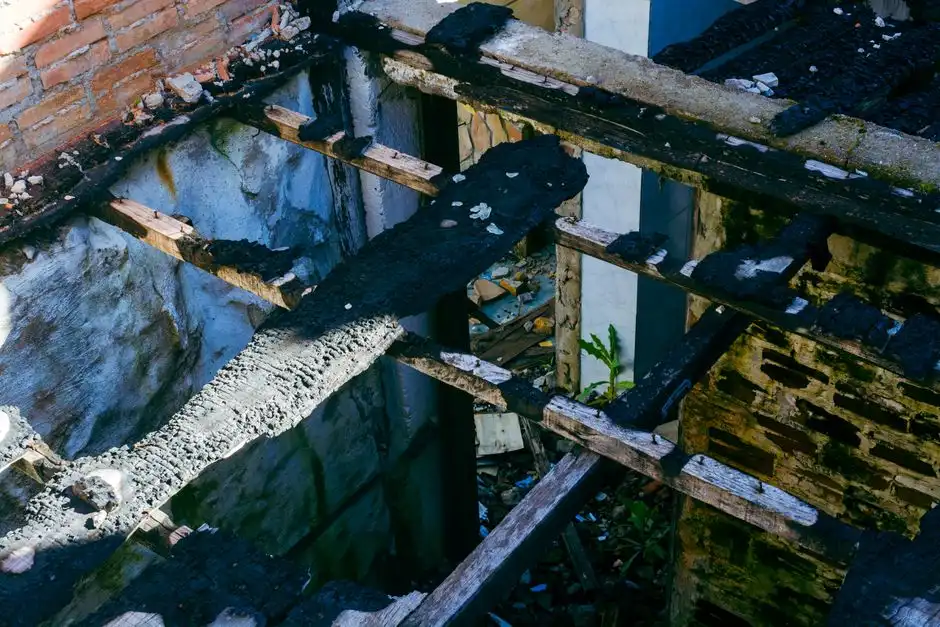
A technician walks the home with a moisture meter, thermal imaging camera, and hygrometer to map where water is hiding. We take air and surface samples where growth is visible and identify the source, usually within 60 to 90 minutes on site.
Pin and pinless readings locate wet pockets in drywall, framing, and subfloor before removal starts.
Shows temperature differences that reveal hidden moisture behind walls and under floors.
HEPA filtration captures airborne spores and maintains negative pressure inside containment.
Pulls moisture out of the air so structural materials can dry to standard.
Lets us check inside wall cavities and crawl spaces before closing anything up.
Clears lingering musty odors after removal when the space is unoccupied.
Standing water sat in a Puyallup crawl space for weeks, and joists were covered in dark growth. Insulation was saturated and the floor above smelled musty.
After: We pumped out the water, removed the insulation, HEPA-vacuumed and treated the joists, and dried the space over four days. Moisture readings dropped to dry standard and the odor cleared.
Book this service →
A slow supply line leak behind a kitchen cabinet soaked the drywall and baseboard for weeks. Dark growth spread across two square feet of drywall and into the cabinet base.
After: We contained the kitchen, removed the affected drywall and baseboard, treated the framing, and dried the cavity in three days. The repair was scoped and the cabinet reinstalled on a clean surface.
Book this service →
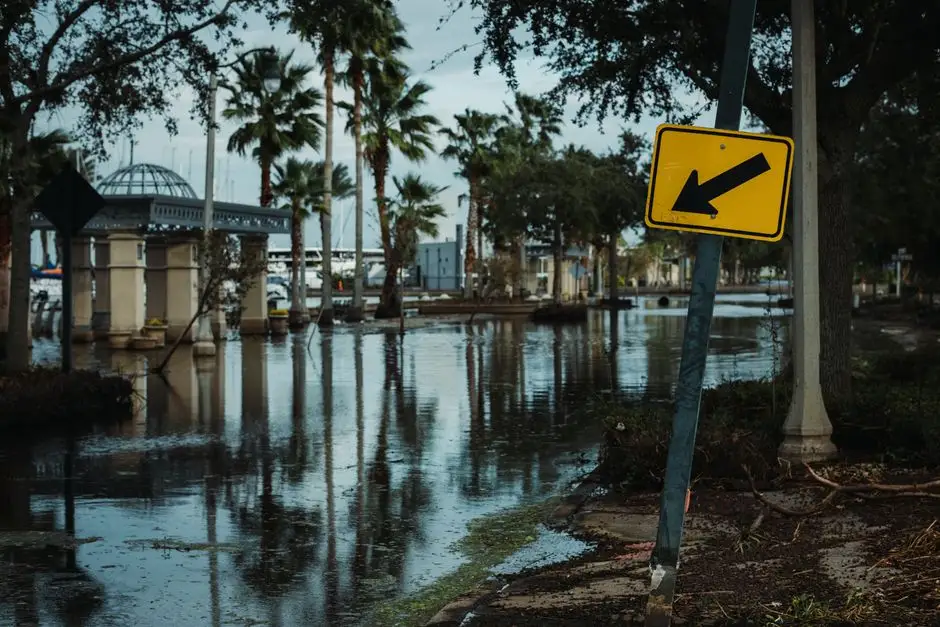
A roof leak soaked attic insulation and sheathing, and growth spread across the decking before the smell reached the ceiling below. The leak had been active for months.
After: We removed wet insulation, dried the sheathing, and treated the framing. The roof leak was repaired and the attic dried to standard in five days.
Book this service →Most mold calls start with a water problem that was never fully dried. Here are the situations we see most often and how we handle them.
Ask a pro →We remove standing water, pull saturated insulation, HEPA-vacuum the joists, and treat the framing. A vapor barrier and drying equipment bring moisture readings down so growth stops returning each wet season.
We trace the leak with a moisture meter, cut out affected drywall, treat the framing, and dry the cavity. An inspection camera checks inside the wall before we close it up.
We fix the leak path, remove wet insulation, dry the sheathing, and treat the framing. We document the scope so your insurance claim covers the roof leak water damage repair as well.
We pull the appliance, dry the cavity, and remediate any growth on the cabinet base or subfloor. The supply line gets repaired so the leak does not restart.
Most mold remediation jobs in Washington run $1,200 to $6,500, with small contained areas near the low end and crawl space or multi-room jobs higher. Factors include square footage affected, whether drywall or insulation must be removed, and how much drying is needed. We inspect first and give you a written scope before work starts.
Water Restoration Pros handles mold remediation across the south Puget Sound area, including Fife, Puyallup, Tacoma, Federal Way, and Auburn. Our technicians hold IICRC AMRT and WRT credentials and work under a Washington State Contractor License. We handle both residential mold remediation WA and commercial spaces, from crawl spaces to drywall after a leak.
Most jobs take three to seven days from containment to final verification. Small surface areas can finish in two to three days, while crawl space or multi-room jobs with structural drying often run five to seven. The drying phase is usually the longest part because we wait for moisture readings to hit dry standard before pulling equipment.
Insurance usually covers mold remediation when the growth traces back to a sudden event like a burst pipe, supply line leak, or water heater leak. Long-term neglect or ongoing seepage is often excluded. We document the source and scope in Xactimate so your adjuster can review it, and we work directly with most major carriers.
Mold spreads while you wait, so call and we will schedule an inspection at your home. Our technicians are IICRC certified, licensed in Washington, and ready to contain the growth and fix the water source behind it.
Schedule Inspection 1234567890 →Call us any hour, any day. A live person answers and dispatches a crew, and most Fife, Puyallup, and Tacoma addresses see us within 60 minutes. If you prefer email, send the details and we will call you back fast. We inspect first and give you a written estimate before work starts.