Moisture inspection and testing
We use a moisture meter, hygrometer, and thermal imaging camera to map the affected area and find the water source. Air and surface samples confirm what is growing before we quote the removal.
Black mold removal in WA, Washington starts with finding the moisture feeding it, not just scrubbing the stain. Our technicians handle black mold remediation WA homeowners call about after a burst pipe, roof leak, or crawl space flood. We contain the area, pull damaged materials, and dry the structure to IICRC standards so the colony does not return in three weeks. Call for a same-day look.
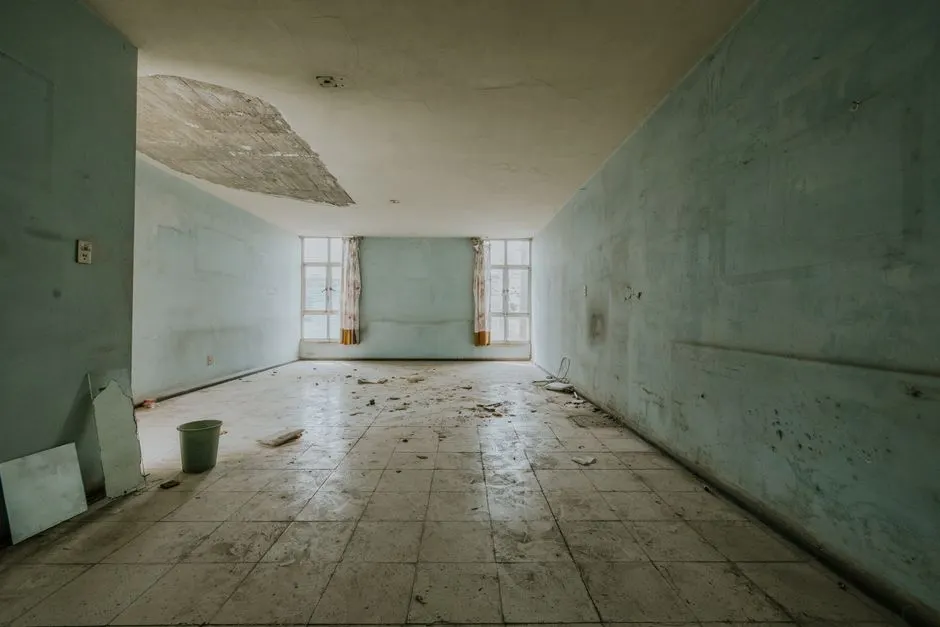
Black mold removal in WA, Washington is the contained physical removal of Stachybotrys and other toxigenic molds from building materials, followed by drying and verification. It is not a bleach wipe-down. Our crews set negative air pressure with an air scrubber, bag porous materials like drywall and carpet padding, and HEPA-vacuum the framing before any antimicrobial goes on. We check moisture with a moisture meter and thermal imaging camera so we are drying the actual source, not guessing.
Most calls we run in Washington trace back to a supply line leak, water heater leak, or crawl space water that sat too long. Puget Sound humidity keeps wall cavities damp well into fall, and mold can colonize drywall paper in 48 to 72 hours. If you are searching black mold removal near me WA after noticing a musty smell under the sink, that timeline matters. We inspect, test, and quote before any demolition starts.
Every job includes inspection, containment, removal, HEPA cleaning, drying, and clearance testing. Rebuilding drywall and painting are add-ons we quote separately so you can decide whether to use us or your own contractor.
We use a moisture meter, hygrometer, and thermal imaging camera to map the affected area and find the water source. Air and surface samples confirm what is growing before we quote the removal.
Poly barriers and negative air pressure keep spores out of the rest of the house. Our air scrubbers run HEPA filtration for the duration of the job, and we do not remove containment until clearance passes.
Drywall, insulation, baseboard, and carpet padding that cannot be cleaned are bagged and removed. Framing and hard surfaces are HEPA-vacuumed and treated with an antimicrobial.
Air movers and a dehumidifier dry the wall cavities and framing to within 2 percentage points of a dry reference sample. We check readings daily and adjust equipment as needed.
We re-test the air after removal and drying are complete. You get the lab report showing the area is clean, which is what you need for insurance and for your own confidence.
We walk the affected area with a moisture meter, hygrometer, and thermal imaging camera, then take air and surface samples where growth is visible or suspected. You get a written scope and a flat price before work begins. Most inspections take 45 to 90 minutes.
We seal doorways and vents with poly and tape, set a HEPA air scrubber under negative pressure, and lay down floor protection. This keeps spores from spreading to bedrooms and kitchens while we work. Setup usually takes 1 to 2 hours.
Damaged drywall, insulation, baseboard, and carpet padding come out in sealed bags. Framing and hard surfaces get HEPA-vacuumed and treated. A job covering 100 square feet of wall typically takes one to two days.
Air movers and a dehumidifier run until framing reads dry against a reference sample. Depending on how wet the cavity is, drying runs 2 to 5 days. We check readings daily and adjust equipment rather than letting it sit.
We re-test the air, confirm moisture is back to normal, and hand you the documentation. If you want the drywall back up, we schedule the repair. Clearance testing usually happens 24 to 48 hours after removal is complete.
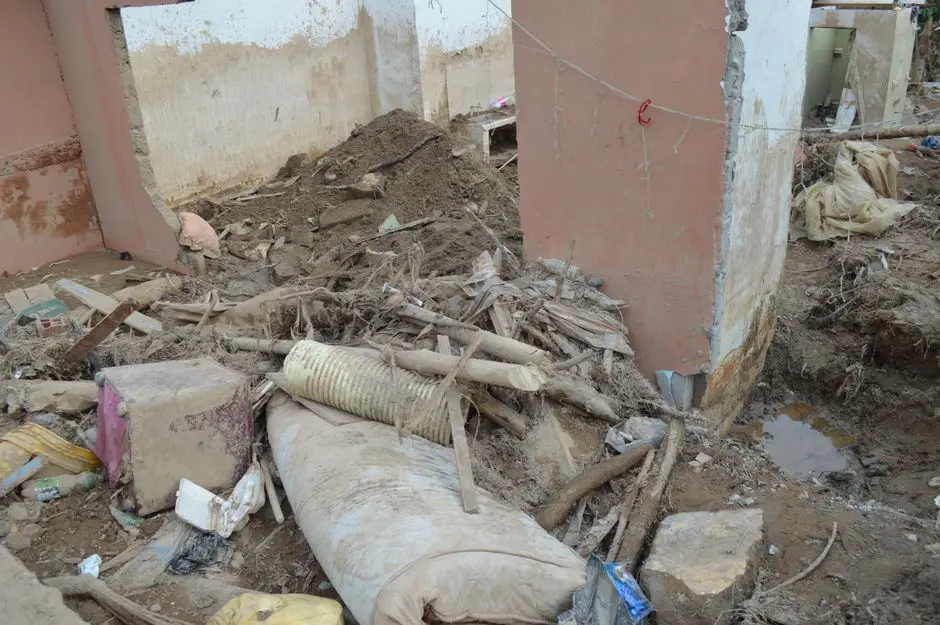
We walk the affected area with a moisture meter, hygrometer, and thermal imaging camera, then take air and surface samples where growth is visible or suspected. You get a written scope and a flat price before work begins. Most inspections take 45 to 90 minutes.
Finds temperature differences behind walls that indicate hidden moisture, so we open the right spot instead of guessing.
Measures moisture content in framing and relative humidity in the air. We use readings to set drying goals and verify the job is done.
Filters spores out of the air and maintains negative pressure inside containment so mold does not spread to other rooms.
Dri-Eaz and Phoenix Restoration equipment pull moisture out of the air and move dry air across wet surfaces to speed structural drying.
Lets us look inside wall cavities and under floors without opening large sections, so we can confirm growth before demolition.
Clears musty odors from the structure after removal. We use it in unoccupied spaces only and air the area out before you return.
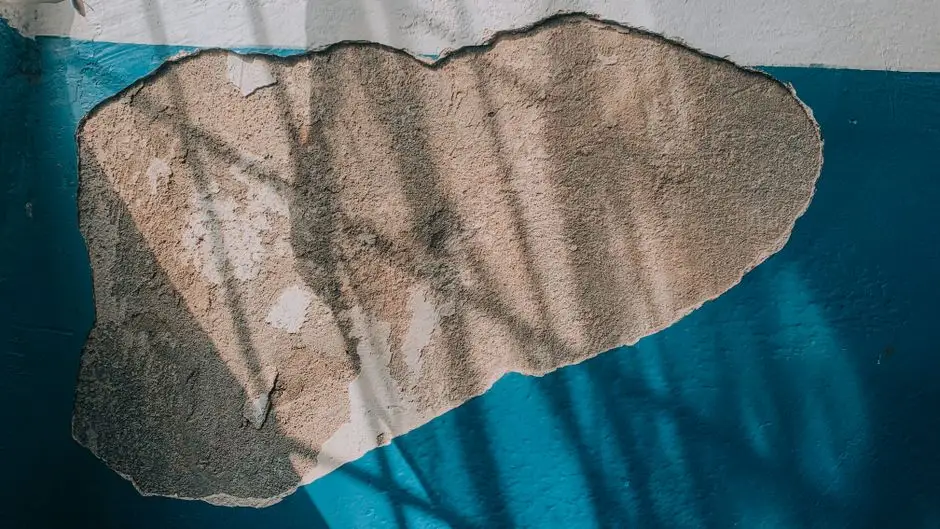
A slow supply line leak behind the kitchen cabinets went unnoticed for about a week. The drywall was soft, the baseboard was black with growth, and the musty smell filled the kitchen. Moisture readings in the framing were above 25 percent.
After: We removed 32 square feet of drywall and insulation, HEPA-vacuumed and treated the framing, and dried the cavity in three days. Clearance testing came back clean, and the homeowner had the wall rebuilt within a week.
Book this service →
A fall storm pushed water into a crawl space, and the joists were covered in black growth. The space had no vapor barrier, and humidity readings were near 90 percent. The homeowner noticed a musty smell in the living room.
After: We pumped out 4 inches of standing water, HEPA-vacuumed and treated the joists, and ran dehumidifiers for four days until the wood read dry. We installed a vapor barrier, and the smell was gone within a week.
Book this service →
A roof leak wet the bathroom ceiling drywall, and black growth spread across about 20 square feet. The insulation above was soaked, and the ceiling was sagging. The homeowner had been painting over the stain for months.
After: We removed the wet drywall and insulation, dried the ceiling cavity, and treated the framing. Clearance testing passed, and the ceiling was repaired and painted. Total time from inspection to clearance was five days.
Book this service →Most mold calls start with a leak someone did not know about. Here are the situations we see most and how we handle them.
Ask a pro →We use a thermal imaging camera and moisture meter to find the wet spot without tearing the room apart. Once we locate it, we open the smallest area needed, remove the growth, and dry the cavity.
We pump out any standing water, HEPA-vacuum and treat the joists, then dry the space. A vapor barrier and sump pump recommendation keeps it from coming back next wet season.
We fix the water source, set containment, remove wet drywall and insulation, and dry the framing. Clearance testing confirms the job is done before we close the wall.
We trace the moisture to its source, whether that is a foundation crack leak, roof leak, or high humidity. We fix the entry point, dry to standard, and verify with a moisture meter before calling it done.
Most black mold removal jobs in WA run $1,200 to $6,500, with small contained areas near the low end and crawl space or multi-room projects at the high end. Typical 2026 pricing in this area depends on square footage, whether drywall or insulation has to come out, and how much drying is needed. We quote a flat price after inspection, before any work starts.
Licensed remediation contractors with IICRC AMRT training remove black mold in WA Washington. You want a crew that sets containment, uses HEPA filtration, and does clearance testing, not a general handyman with bleach. We are a Washington State Contractor License holder with active L&I Registration and carry liability coverage. Call and we will walk you through what the job involves.
Yes, Stachybotrys and other toxigenic molds can cause respiratory irritation, headaches, and worsened asthma, especially in damp Puget Sound homes. The risk rises when growth is disturbed without containment, which sends spores through the house. We seal the area, run air scrubbers, and wear proper PPE so your family is not exposed during removal. If anyone in the home has breathing issues, we prioritize those jobs.
Insurance usually covers mold removal when it traces to a sudden event like a burst pipe, supply line leak, or water heater leak. Long-term neglect or repeated flooding is often excluded. We document the moisture source with photos and readings and write the scope in Xactimate so your adjuster can process it. Call us and we will review your situation before you file.
We answer the phone 24/7 for active leaks and emergency black mold cleanup WA situations. Call and we will schedule a same-day inspection, give you a flat price, and tell you exactly what the job involves.
Schedule Inspection 1234567890 →Call us any hour, any day. A live person answers and dispatches a crew, and most Fife, Puyallup, and Tacoma addresses see us within 60 minutes. If you prefer email, send the details and we will call you back fast. We inspect first and give you a written estimate before work starts.